Indigenous Maasai
History of Maasai
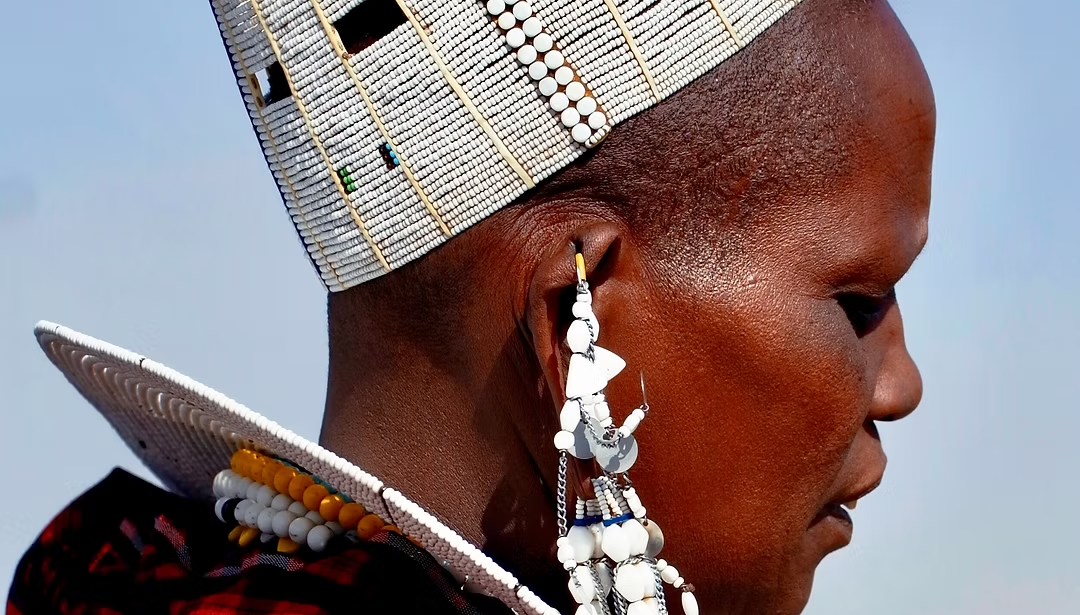
The Maasai people have a long and cherished history that spans centuries, with our roots tracing back to the 17th and late 18th century. Our connection to our ancestral land runs deep, shaping our identity and cultural traditions. We have developed unique practices that allow us to coexist harmoniously with the environment, such as our semi-nomadic lifestyle characterized by sustainable grazing and rotational grazing techniques. These practices enable us to maintain the health of the land and ensure its sustainability for generations to come.
Stewardship of the Ecosystem
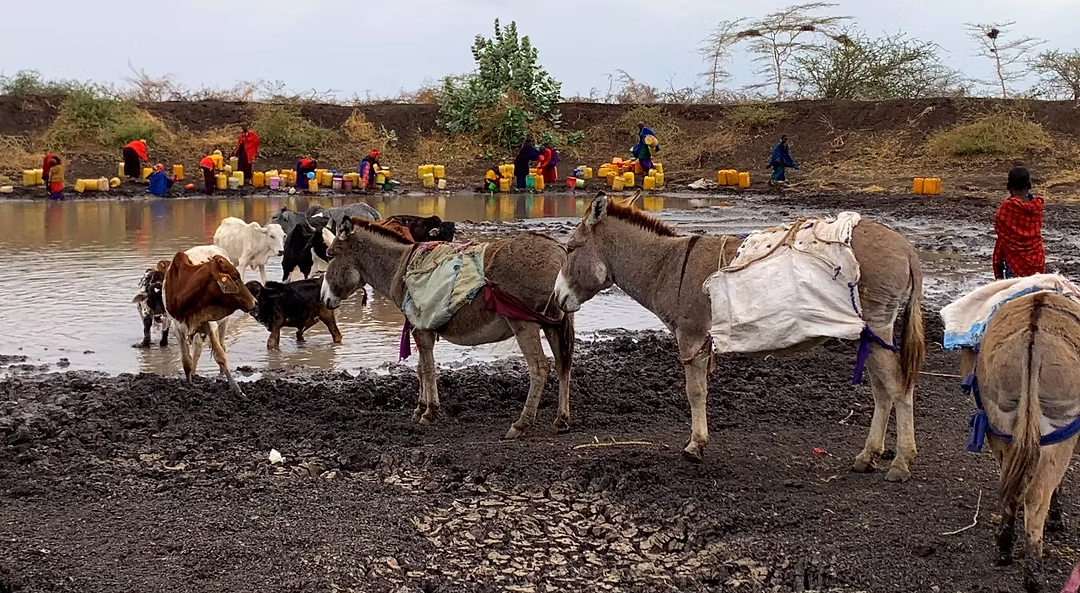
Our cultural connection to the land is profound and deeply rooted. We have embraced sustainable practices that allow us to coexist harmoniously with the ecosystem. Through rotational grazing and minimal farming, we ensure the preservation of biodiversity and maintain a balanced environment. Our approach respects the delicate balance of nature and contributes to the overall health of the land we inhabit. Living in rural areas, we prioritize the preservation of vast wilderness areas by minimizing the impact of urban development.
Possession of the Land
Forced Evictions and Struggles
In recent years, we have experienced a relentless series of forced evictions. Our lands, which have sustained us for centuries, are snatched away without consideration for our well-being. Government authorities, sometimes in collusion with private entities, seize our territories for game reserves, conservation projects, tourism developments, and trophy hunting.
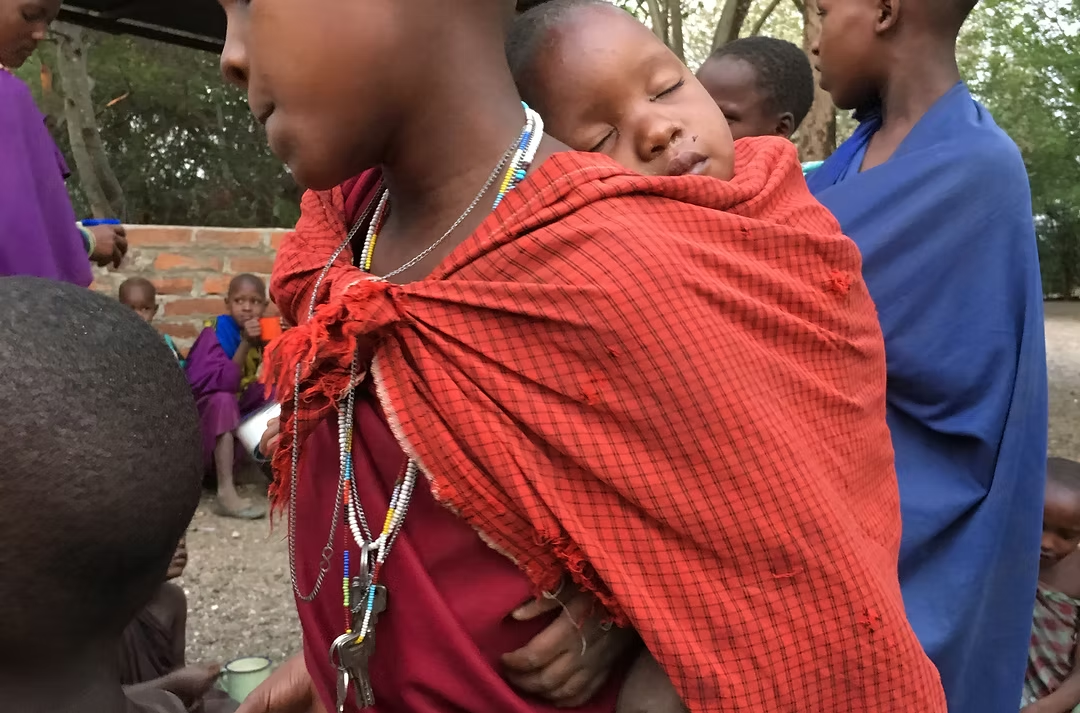
The consequences of these evictions are devastating for our community. Our traditional pastoralist way of life, deeply intertwined with our land, is disrupted. We lose our means of livelihood as grazing lands are taken away. Our families suffer from poverty and food insecurity in unfamiliar and overcrowded areas where we are forced to relocate. Our cultural heritage and social fabric are torn apart, leaving us feeling disconnected and displaced.